Before electricity reached every home, three types of lamps brought light and warmth to daily life — each glowing with its own strength, purpose, and charm.
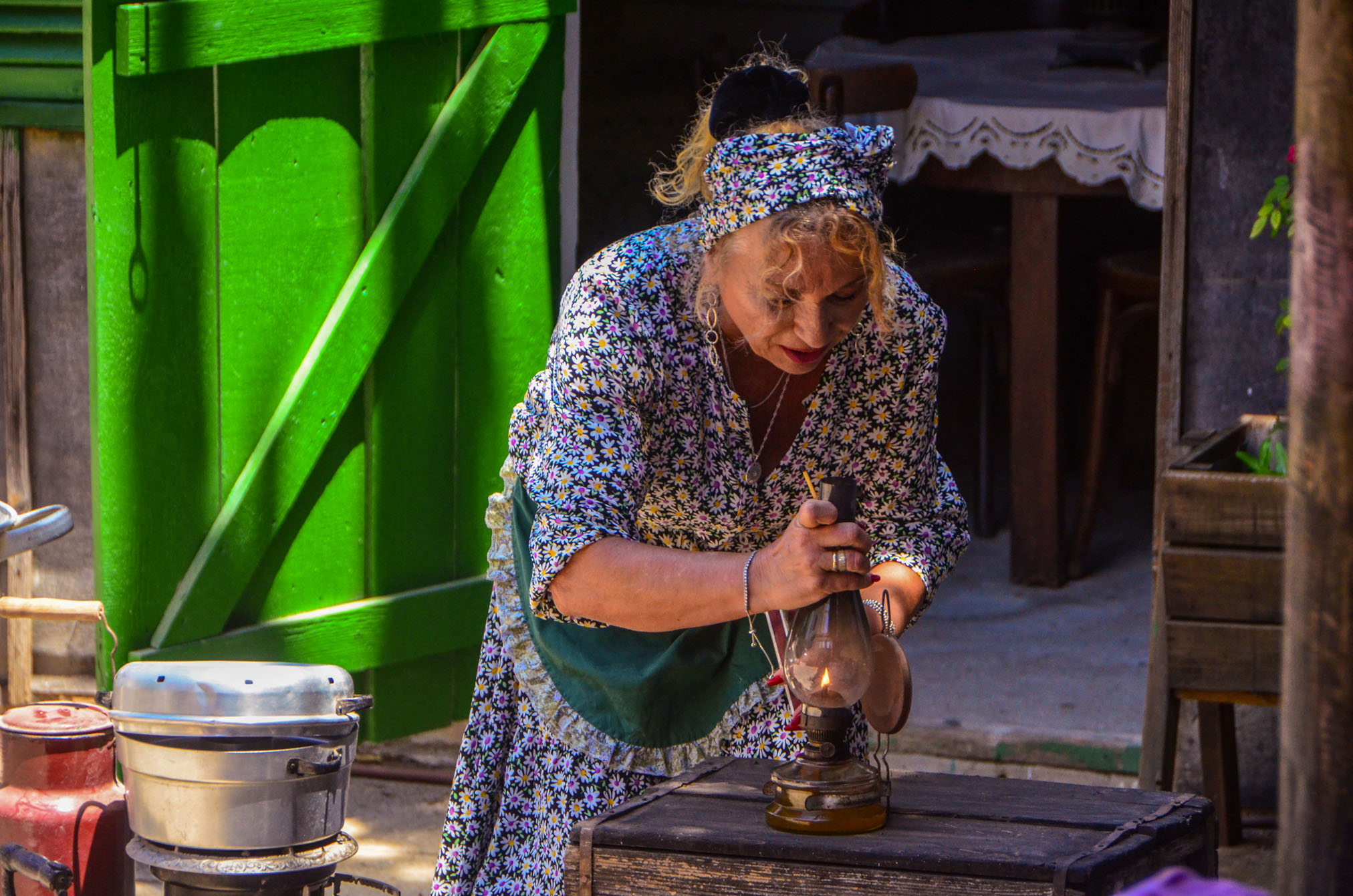
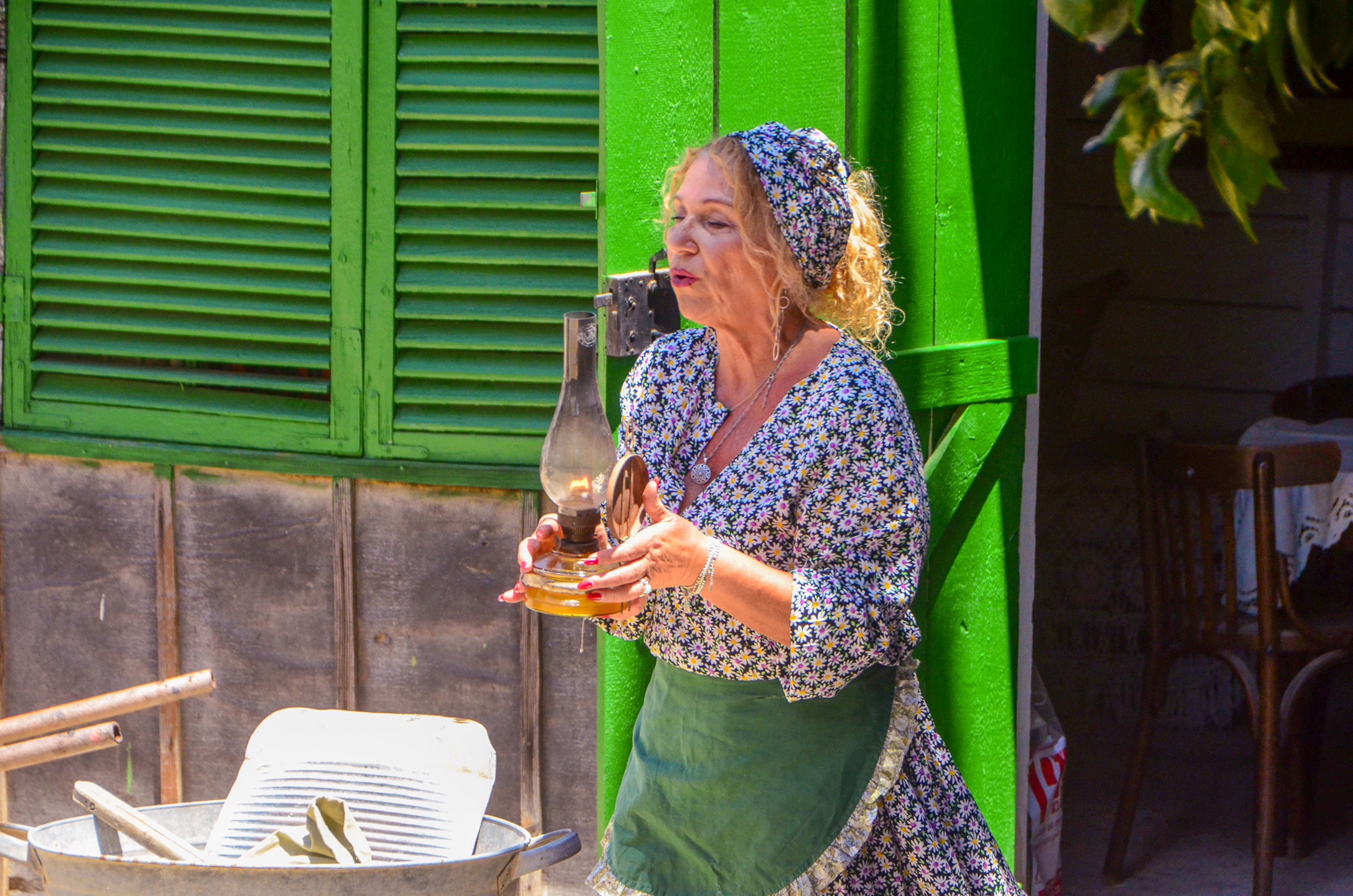
The lantern, also known as a “nafta” or “lampa,” stood quietly on a shelf or table, its round glass chimney protecting the small flame within.
At its base sat a metal tank filled with kerosene. A cotton wick drew the fuel upward, and with the strike of a match, a gentle light flickered to life.
Turning a small knob raised or lowered the wick, allowing families to brighten or soften the glow as evening settled over the house.
For those venturing outdoors, the hurricane lamp provided a sturdy companion. Its enclosed flame resisted the wind, lighting paths through the darkness and guiding travelers safely on their way.
Then came the Lux lamp — a marvel of brighter, modern light. Inside, a delicate woven mantle glowed white-hot once ignited. The lamp was pressurized by hand, much like a Primus stove, and its powerful beam could pierce the night far beyond the reach of the humble lantern.
Fueled by kerosene or gasoline, the Lux lamp served fishermen at sea, drawing fish toward their boats during night catches, and illuminated the bustling stalls of watermelon sellers and market vendors under the open sky.
Each of these lamps tells the story of a world once lit by flame — a world that glowed softly in the warmth of kerosene light.